








Le premier FabLab itinérant est à Créteil

Découvrez le numérique de proximité

Le DIPBike c'est ...

D pour Découverte

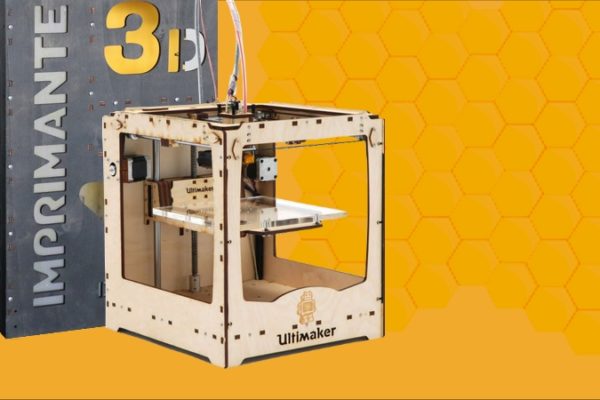
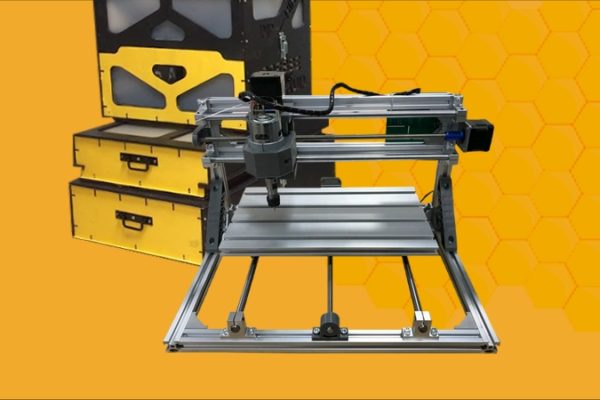
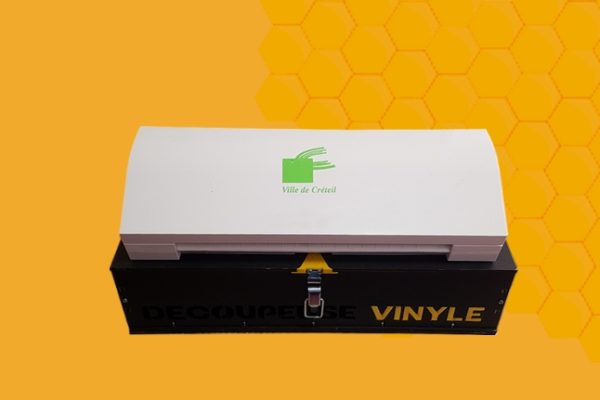
Les technologies ont bouleversé notre quotidien en le facilitant. Découvrez ces nombreux outils numériques (conception, fabrication) à travers de multiples ateliers ludiques.

I pour Initiation

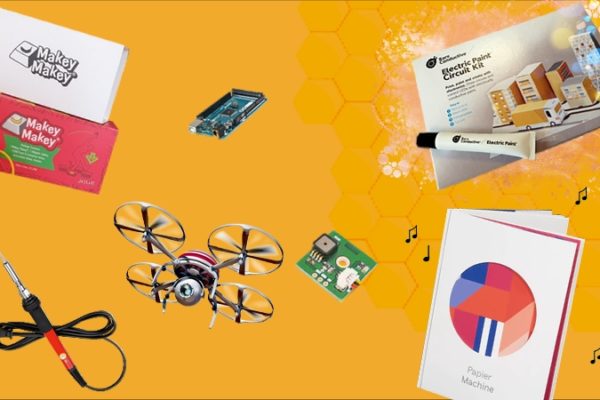
Dans ses mallettes, le DIPbike apporte des ressources créatives mais aussi artistiques. Tout est là pour donner vie à votre imagination autour du monde numérique !

P pour Prototypage

Le numérique est à votre porte cher Cristoliens. C’est le triporteur qui vient vers vous en parcourant la ville pour vous inviter à expérimenter. Il y a sûrement un lieu pas loin de chez vous…

SUIVEZ L'ACTUALITÉ DU DIPBIKE POUR NE RIEN RATER.

VOIR LE BLOG

Ils parlent de nous :

« Un triporteur qui apporte la technologie en bas de chez vous […] mais pas n’importe comment, un véritable outil au service de la population. »

logo le parisien

Le Parisien

« Les villes s’essaient au numérique, ce drôle de triporteur, qui embarque les outils d’une fabrique numérique nomade est une vraie pépite. »

logo les echos

Les Echos

« Notre ville est chanceuse d’avoir le DIPbike, son concept va révolutionner notre approche vis-à-vis du numérique et je suis certain que les Cristoliens apprécieront. »

Laurent Cathala

Laurent Cathala – Maire de Créteil

logo Métropole du Grand Paris
Les médiateurs
DIPbike logo

Membre

DIPbike logo

Membre

DIPbike logo

Membre

DIPbike logo

Membre

Find your perfect match and create lasting connections

Find your perfect match and create lasting connections Asian relationship is a growing trend in the usa. in accordance with a research by the pew research center, the number of asian americans in the usa has grown by over 50percent since 2000. this development is likely as a result of increasing amount of asian immigrants and also the increasing range asian american marriages. there are many advantageous assets to dating some one from an alternate culture. one of the primary…

0
Read More

Facial Recognition Systems in Virtual GamingThe transition toward biometric authentication in the gaming industry reflects a broader shift toward replacing static credentials like passwords with unique physiological markers. Casinos implement these systems primarily to streamline identity verification, ensuring that the person accessing an account matches the individual who registered it. By mapping specific nodal points on a user’s face during a live video scan, platforms can prevent unauthorized access or account sharing. This process often replaces manual document uploads, which can be time-consuming for both the operator and the player, particularly during initial onboarding phases or when attempting to recover a forgotten password.Beyond account security, some operators utilize these biometric scanners to monitor for potential issues related to responsible gaming. If a system detects signs of distress or irregular behavioral patterns while the user is active, it may trigger an automated prompt or pause the current session. This feature is intended to act as an additional layer of oversight, ensuring that the platform environment remains compliant with internal safeguards. By comparing real-time facial expressions against pre-established datasets, developers aim to create a more responsive interaction that detects potential lapses in judgment or unauthorized use in real time.Players often encounter these requirements when attempting to access sensitive areas of their profiles or when initiating transactions that exceed standard limits. The efficiency of this technology depends heavily on the that handles data processing, which must remain highly secure to prevent potential breaches of sensitive biometric information. While the convenience of a rapid scan is undeniable, it forces users to trust the operator with data that cannot be changed if leaked. This unique attribute distinguishes biometric markers from traditional passwords, which are easily rotated if compromised, creating a different set of risks for the average consumer.The technical architecture underlying these systems involves sophisticated software capable of distinguishing between a live human presence and static media, such as photographs or pre-recorded videos. For additional context, casino ohne oasis aktion can be considered alongside this overview. Anti-spoofing protocols are essential for maintaining the integrity of these checks, as they ensure that the platform is not misled by digital masks or high-resolution imagery. Independent audits frequently examine these algorithms to ensure that the error rates for false positives and false negatives stay within acceptable industry margins. Transparency regarding how these images are encrypted and stored is vital, as players deserve to know if their biological data is being retained for future comparisons or deleted immediately after the verification event.Privacy concerns remain at the forefront of discussions regarding the expansion of these tools. Because facial maps are permanently tied to an individual, there is significant apprehension regarding the longevity of such data in corporate databases. Regulators have begun to look more closely at the consent forms presented during account creation to ensure that players are fully informed about how their biometric information is utilized. If a platform cannot clearly demonstrate a strictly necessary reason for capturing this data, users may choose to seek out services that rely on more conventional, less intrusive identification methods that do not involve biological scanning.Without clear, consistent standards for data destruction and user consent, the deployment of this biometric oversight will continue to be a subject of intense scrutiny from both consumer advocacy groups and data protection authorities. As the underlying software becomes faster and more reliable, the temptation for operators to use it for non-security purposes, such as behavioral profiling or targeted advertising, increases. Striking a balance between the convenience of rapid authentication and the protection of personal privacy remains a challenge for the entire industry. The longevity of these systems depends on how effectively operators can protect the sensitive data they collect while maintaining the trust of their global user base.

0
Read More
Abonnez-vous ! :