










Le premier FabLab itinérant est à Créteil

Découvrez le numérique de proximité

Le DIPBike c'est ...

D pour Découverte

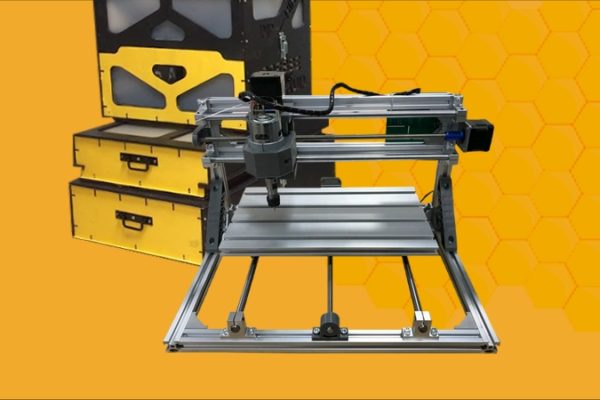
Les technologies ont bouleversé notre quotidien en le facilitant. Découvrez ces nombreux outils numériques (conception, fabrication) à travers de multiples ateliers ludiques.

I pour Initiation

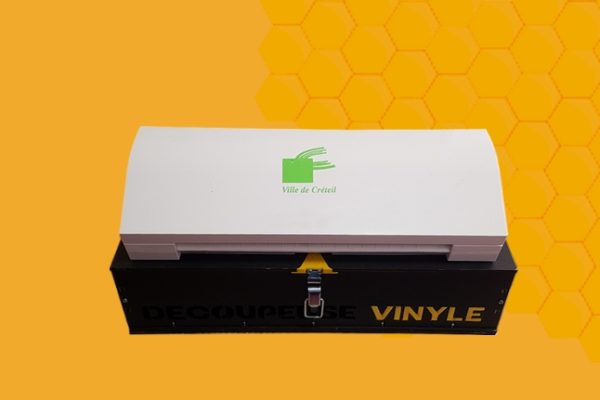
Dans ses mallettes, le DIPbike apporte des ressources créatives mais aussi artistiques. Tout est là pour donner vie à votre imagination autour du monde numérique !

P pour Prototypage

Le numérique est à votre porte cher Cristoliens. C’est le triporteur qui vient vers vous en parcourant la ville pour vous inviter à expérimenter. Il y a sûrement un lieu pas loin de chez vous…

SUIVEZ L'ACTUALITÉ DU DIPBIKE POUR NE RIEN RATER.

VOIR LE BLOG

Ils parlent de nous :

« Un triporteur qui apporte la technologie en bas de chez vous […] mais pas n’importe comment, un véritable outil au service de la population. »

logo le parisien

Le Parisien

« Les villes s’essaient au numérique, ce drôle de triporteur, qui embarque les outils d’une fabrique numérique nomade est une vraie pépite. »

logo les echos

Les Echos

« Notre ville est chanceuse d’avoir le DIPbike, son concept va révolutionner notre approche vis-à-vis du numérique et je suis certain que les Cristoliens apprécieront. »

Laurent Cathala

Laurent Cathala – Maire de Créteil

logo Métropole du Grand Paris
Les médiateurs
DIPbike logo

Membre

DIPbike logo

Membre

DIPbike logo

Membre

DIPbike logo

Membre

How Online Casino Players Can Set a Gambling BudgetWhen a new account opens, the array of slots, tables, and live dealers can feel endless. The excitement is real, but the line between a leisure activity and a financial commitment can blur quickly. Many players start without a clear plan, assuming that any deposit is harmless if it comes from a disposable budget. That assumption hides a subtle risk: the temptation to chase a streak can turn a casual pastime into a habit that erodes savings.A common belief is that online casinos allow unlimited deposits as long as a player keeps the account active. In reality, most regulated platforms impose daily or weekly limits to prevent overexposure. These caps are designed to protect players, but they also serve as a reminder that the system is not a free money machine. Ignoring these limits can lead to a cascade of unplanned withdrawals that feel inevitable once the first one is made.Another misconception centers on the idea that losses are merely temporary setbacks that can be recovered with a lucky spin. The mathematics of random number generators and house edges mean that, over time, the expected return falls short of the stake. For additional context, pin up can be considered alongside this overview. A budget that does not account for this negative expectation will eventually shrink, regardless of a few wins. Recognizing the long‑term statistical reality helps keep expectations realistic.Many players focus solely on the dollar amount they are willing to spend, overlooking the time component. Hours spent chasing a big payout can be as costly as the money itself, especially when the mind becomes fatigued and decisions grow impulsive. A balanced budget should therefore include both monetary limits and session duration guidelines, ensuring that the activity remains a controlled entertainment choice.Practical budgeting does not require a rigid spreadsheet, but it does benefit from clear separation of funds. One approach is to earmark a specific portion of disposable income exclusively for gaming, and to treat that amount as a one‑way ticket: once spent, it is gone. Setting a daily or weekly cap on how much of that earmarked pool can be used in a single session keeps the spending predictable. Monitoring the time spent and pausing after reaching the limit also reinforces discipline.

0
Read More

How Live Casino Studios OperateLive casino studios function as high-tech production hubs designed to replicate the atmosphere of a physical gaming floor while utilizing sophisticated digital architecture. At the center of these operations are trained dealers who manage cards, roulette wheels, or dice within a climate-controlled environment. These rooms are equipped with multiple high-definition cameras, microphones, and sensors that track every movement. The data is processed through optical character recognition technology, which translates physical events—such as a card being drawn—into digital information that appears on the user interface. This arrangement allows for immediate interaction between the dealer’s actions and the player’s dashboard, providing a sense of immersion that static digital games cannot replicate.The primary advantage of this format is the heightened transparency it provides compared to purely algorithmic games. Because participants can observe the dealer’s physical movements, the reliance on an underlying random number generator is largely minimized for table-based games. This human element offers a level of verification that satisfies those seeking a more authentic experience. To learn more about how these platforms ensure data integrity, you can visit this for additional context. By moving the process out of a black-box server and into an observable environment, these studios foster a sense of trust, as players feel they are witnessing the outcomes unfold in real time rather than seeing a pre-determined result generated by software.However, the logistical demands of running these studios introduce significant technical limitations. Streaming high-definition video to thousands of users simultaneously requires massive bandwidth and low-latency infrastructure to prevent synchronization errors. If a network delay occurs, the video stream might drift out of alignment with the betting interface, which can lead to confusion or the voiding of wagers. Furthermore, these facilities must operate 24/7, necessitating redundant power supplies, backup servers, and a massive staff roster to ensure that the broadcast never falters. The complexity of maintaining this uptime creates a heavy overhead, which can sometimes influence the minimum betting requirements found at these specific tables. For additional context, glory casino deposit can be considered alongside this overview.Beyond the hardware, these studios are subject to rigorous regulatory frameworks that differ from traditional software-based slots. Each game result is logged by independent monitoring systems to ensure the dealer follows exact house procedures, such as specific shuffling or dealing techniques. Auditing teams frequently inspect the equipment for tampering, confirming that the playing cards, roulette balls, and wheels are balanced and undamaged. This constant surveillance acts as a safeguard against human error or malicious intent, effectively mitigating risks associated with manual operation. These measures are designed to provide a layer of security that mimics the oversight found in land-based casinos but is tailored to a remote, digital environment.A significant trade-off in the studio model involves the inherent speed of the game. Unlike RNG games, where a user can play as rapidly as they choose, a live dealer is constrained by human rhythm and the physical time required to perform tasks like shuffling or settling bets. This intentional pace provides a more relaxed, social experience, but it also restricts the volume of participation for those accustomed to the instant feedback of digital slots. The human-centric nature of these tables means that social dynamics—such as interactions with the dealer or other players—become part of the value proposition, which some may find engaging while others might view as an unnecessary interruption to their preferred style of play.Ultimately, the efficiency of a live studio is a balance between technological precision and the unpredictable nature of human performance. While the combination of advanced sensors and high-definition video provides a credible and immersive experience, the dependencies on stable internet connectivity and the physical limitations of the dealer create a distinct environment with its own set of constraints. Evaluation of these venues remains dependent on an individual’s preference for the social cadence of a table versus the speed of automated interfaces. By prioritizing studios that demonstrate high standards for hardware maintenance, dealer training, and independent auditing, observers can distinguish between operations that genuinely value integrity and those that merely provide a superficial aesthetic.

0
Read More
Abonnez-vous ! :